Let’s get to know each other
Accelerate your business potential with our dedicated team.

Brand Trust
How Brands Earn Confidence
JUNE 02, 2026 6 MINUTES 24 SECONDS
Branding
Content
Some brands are trusted by customers more than others because trust is not created through claims but rather through signals to the brain that indicate safety. Familiarity, consistency, and clarity lead to these feelings. Although these brands use marketing techniques, such as using brand psychology principles, they do not rely on them to build trust. Rather, these brands succeed to gain customers’ trust based on how customers interact with them or have interacted with them in the past.
The way in which customers choose which brands they will trust is not a mystery. It is based on a basic human need.
Key Takeaways- Brand psychology explains why familiarity feels safer than novelty.
- The importance of brand consistency goes beyond visuals. It shapes memory.
- Brand clarity builds confidence before a customer ever clicks “buy.”
- A lack of authenticity quietly erodes brand trust.
- A trusted brand experience compounds over time in ways marketing alone cannot replicate.
How the Human Brain Decides
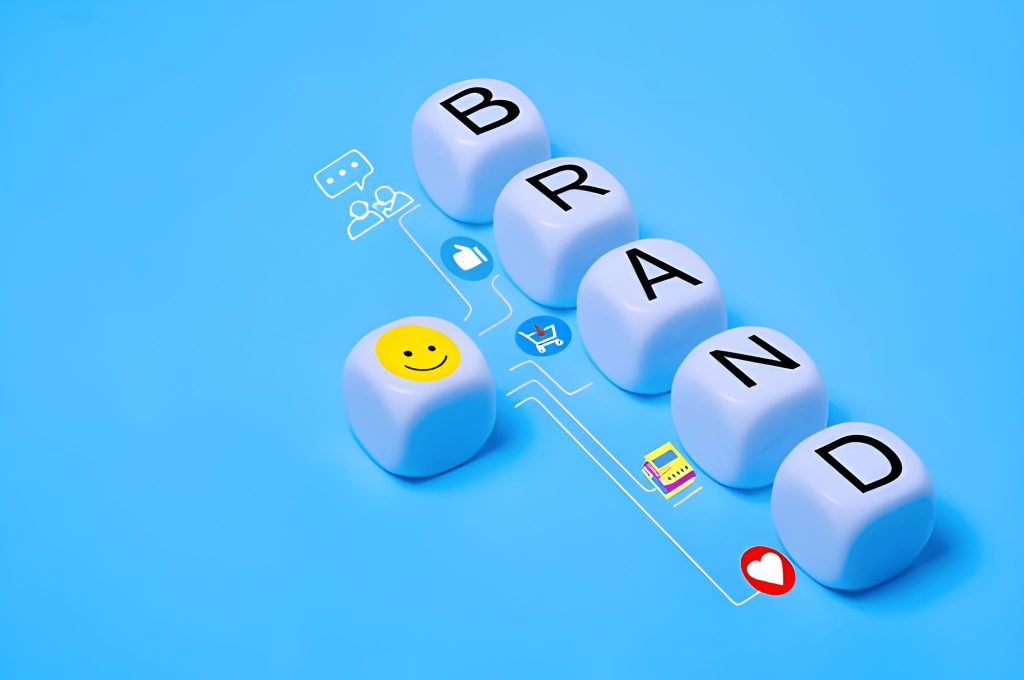
Trust starts with safety
Before logic enters the picture, the brain scans for risk.
The intersection of branding and human psychology is where branding and human psychology meet. Every purchase is subject to uncertainty. The brain’s first task is to eradicate that uncertainty from the brain as fast as possible. The brain asks these very simple questions of itself. These questions are nearly invisible to us:
- Have I seen this before?
- Does it seem stable?
- Will I know what will happen next?
When the answers to these questions have a positive connotation, pressure or conflict drops. Conversely, if the answer is negative, hesitation will occur.
This is the core of the psychology of branding. The brands that win are not always the loudest. They are often the most predictable.
Predictability feels safe. And safety is the foundation of trust.
Why Familiarity Feels Safer Than Innovation

The role of repetition
We tend to admire brands that keep reinventing themselves. It feels bold. But if you look at it from a psychological angle, something else is happening. The brands we see repeatedly, in the same tone and with the same signals, slowly become easier to choose. Not because they’re new, but because they’re known.
The importance of brand consistency lies here. When a brand shows up the same way across time and touchpoints, the brain starts forming shortcuts.
You begin to recognize the tone. The visuals. The messaging.
This is how consistency in marketing strengthens association. Over time, brand consistency becomes a signal of reliability. There’s a reason people often choose familiar brands even when cheaper or newer options exist. Familiar brands reduce guesswork, which builds confidence with the client. The brand will likely have established the same level of credibility (or greater) as the competition.
Thanks to familiarity with the company, products offered, and their brand values, people will be motivated to select that company’s product over all others.
The power of this ease of selection cannot be overstated!
How Clarity Builds Confidence Before Customers Buy
Confidence precedes conversion
Trust doesn’t begin at checkout. It begins when someone tries to understand what you stand for.
Clear brand positioning does more than differentiate. It reduces mental effort. When your brand messaging is precise, customers don’t have to decode you. That is where brand clarity makes a difference.
Let’s say you come across a web page that makes an ambiguous promise. You look around the site, hoping to figure out what this company actually does. You then look at the different headlines, each with a different offer and it takes significant effort to try to see the connections. This effort creates doubt in what the company is trying to say. On the other hand, there are companies who can state their value proposition succinctly and clearly. You can understand the proposition in a matter of seconds, which eliminates the guessing.
So, conversations about how clarity builds your confidence, are extremely important! Clear messaging lowers cognitive load. Lower cognitive load increases comfort. Comfort supports trust.
Strong brand positioning creates alignment between what a brand says and what it consistently shows. And when words match experience, confidence grows
What Causes Customers to Distrust a Brand

Trust rarely breaks suddenly
Most brands do not lose trust in a single moment. They erode it gradually.
You may see subtle signs:
- Messaging shifts slightly without explanation
- Tone becomes inconsistent
- Promises stretch further than reality
- There’s a visible lack of authenticity
Even when products remain good, perception can weaken.
Research and brand trust insights consistently show that negative experiences leave deeper marks than positive ones. The brain is wired to remember potential threats more strongly than comfort. A trusted brand feels stable across touchpoints. The experience aligns with the message. The tone remains familiar.
When alignment breaks, customers sense it. They may not articulate it clearly, but hesitation increases.
That hesitation is the beginning of distrust. And once doubt enters the picture, rebuilding brand trust becomes significantly harder than maintaining it.
Why Trust Compounds Over Time
Marketing cannot replace it
Trust and Awareness differ in behavior.
You can buy awareness, however, trust cannot be bought.
You may get attention from a one-time campaign, however, trust takes time to form through continuous small, similar events that perform as expected. This is how a brand will build to create a trusted experience.
Each positive event increases your memory of that event, and each consistent message results in the brand being able to be predicted. Over time, the brand is now seen as a safe choice. Because the brand is now seen as being safe to use, it will provide you with:
- Higher repeat buying
- Greater acceptance of higher prices
- Increased word of mouth
- Lower level of comparison to other brands
Understanding Brand Trust
At its most basic level, this is how the psychological loop works:
- A brand shows up over time
- Your brain recognizes the brand
- Recognition lowes your perceived risk
You have a positive experience with the brand, which strengthens the memory. The memory Is like a compound interest account: It grows more and more. This psychological loop is core to brand psychology. If you break the loop (due to inconsistency or ambiguity), the pattern weakens.
If you reinforce the loop (by being clear + dependable), trust deepens.
Marketing Alone Isn’t Enough
Many companies assume better campaigns will fix perception issues.
But if brand clarity is weak or positioning is inconsistent, amplification spreads confusion faster.
Marketing can bring attention to your brand. It cannot define what that attention should feel like. Without disciplined brand messaging and stable brand positioning, the brain struggles to categorize you. And when the brain struggles, it hesitates. Trust grows when categorization is easy.
Want to see how we build brands that people trust?

Conclusion
Customers trust some brands more than others because trust is rooted in psychology, not promotion. Through the lens of brand psychology, we see that familiarity reduces risk. Consistency builds memory. Brand clarity lowers cognitive effort. Authentic behavior strengthens perception.
Over time, these signals combine to create durable brand trust. Marketing can amplify attention. It cannot replace the slow accumulation of reliability. The brands that understand this build more than awareness. They build confidence.
If you want to understand why customers stop trusting brands, look for inconsistency. If you want to understand how trust compounds, look for clarity and repetition.
At SimplePlan Media, we help brands build the kind of clarity that trust grows from.

Frequently Asked Questions
-
How do customers decide which brands to trust?
Customers rely on familiarity, predictability, and clarity. Through brand psychology, the brain reduces risk by choosing brands that feel consistent and recognizable.
- Why do customers trust familiar brands?
- How does clarity build confidence?
- What makes a brand feel untrustworthy?
- Can marketing replace trust?
Let’s get to know each other
Accelerate your business potential with our dedicated team.