Let’s get to know each other
Accelerate your business potential with our dedicated team.

Boost Conversions with UX Optimization
MAKE EVERY CLICK COUNT
AUGUST 01, 2025 6 MINUTES 24 SECONDS
DESIGN, WEBSITE DEVELOPMENT
Content
We’ve reached a point where beautiful design alone doesn’t cut it. You can have the best visuals, the cleverest copy, and the most advanced tech — but if your user can’t figure out how to complete a purchase, you’ve lost them.
In the real world, we judge places by how they make us feel. Is the restaurant too loud? Is the checkout line confusing? Online, it’s the same. Except people click away faster. User experience is really at the core of any business today.
It’s what makes visitors decide to stick around or leave, to explore more or just give up, to buy or walk away. When the journey feels smooth and effortless, it builds real trust and keeps people coming back.
- User experience isn’t just about aesthetics — it’s what guides someone from browsing to buying.
- A well-optimized UX reduces drop-offs, improves trust, and directly drives revenue.
- The difference between a curious visitor and a paying customer often comes down to small, overlooked UX details.
- Brands with smooth, clear, and intuitive experiences consistently outperform competitors — even with similar products.
- UX design is now a business conversation, not just a creative one.
The Connection Between UX and Conversions
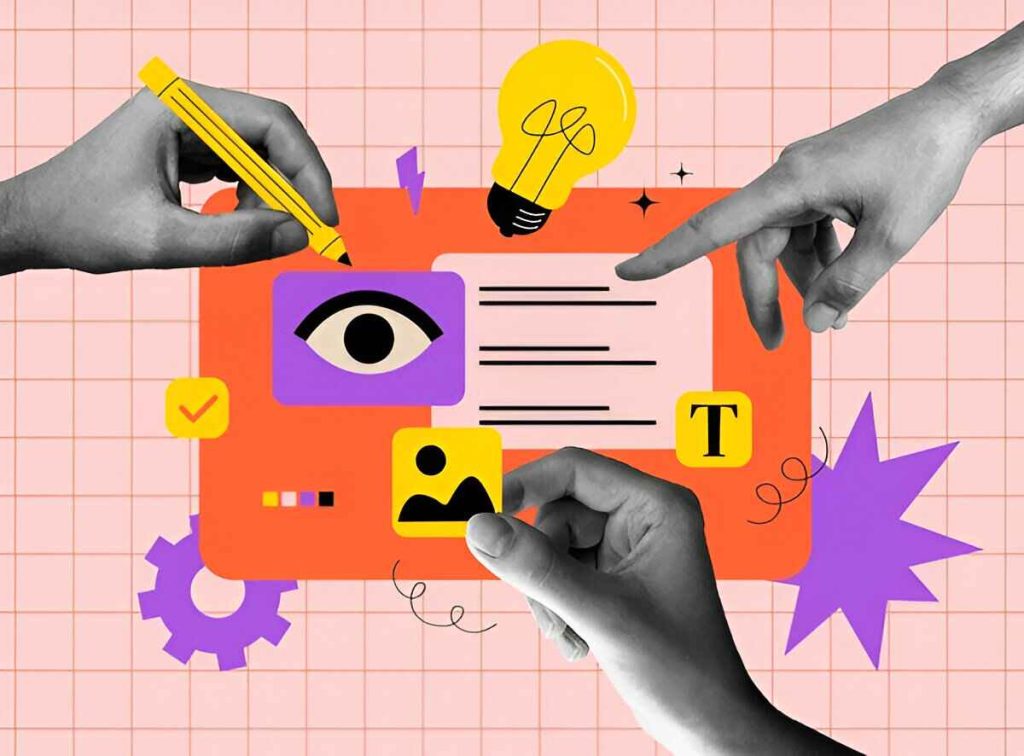
Here’s what’s often missed in conversations around performance: conversions aren’t just about traffic or targeting. They’re about ease, clarity, and confidence.
Think about your own behavior. You land on a website. If the layout feels crowded, or the information feels vague, or the checkout process has too many steps — you hesitate. Or worse, you leave.
Now flip that. Imagine a site that feels intuitive. You find what you need quickly. Details are clear. Every step feels smooth. You’re not just more likely to buy — you’re more likely to come back.
That’s the true link between UX and conversions: it’s not about pushing people harder. It’s about removing the reasons they might say no.
LEARN MORE: IMPACT OF UI DESIGN FOR BUSINESS SUCCESS
UX Design Principles That Influence Buyer Decisions
UX is part psychology, part practicality. What persuades a buyer often isn’t what’s said — it’s how Ways to Increase Conversion Rates by Improving Your UX easy it is to decide.
Here are the principles that shape buyer behavior, whether or not they realize it:
- Clarity at Every Step: Users need to know where they are, what they’re looking at, and what to do next. If your navigation or messaging is vague, they won’t stick around to figure it out.
- Mobile Readiness: It’s no longer a nice-to-have. Mobile is often the first — and only — interaction. If your layout doesn’t respond well on small screens, you’re bleeding potential conversions.
- Fast Load Times: Seconds matter. Delays kill momentum. The longer a page takes to load, the fewer people make it through the funnel.
- Consistency in Visual Language: Buttons should look like buttons. Labels should match expectations. When things behave the way people expect, they feel confident.
- Accessible Trust Builders: Display reviews, returns policies, and shipping timelines early and clearly. Hiding them might make your layout look clean, but it creates doubt.
UX design is not about reinventing the wheel. It’s about guiding people to what they already want — without getting in their way.
Ways to Increase Conversion Rates by Improving Your UX
You don’t need to tear everything down and start over. In fact, many high-impact improvements come from making small, specific changes based on real user behavior.
Here’s where to start if you’re serious about increasing conversions:
- Declutter Your Navigation: Too many options can paralyze users. Prioritize your top categories. Add a search function that actually works.
- Refine Your Product Pages: Clear titles, helpful descriptions, real images, and honest reviews matter. Make sure people understand what they’re buying without guessing.
- Simplify Checkout: Reduce the number of fields. Don’t force account creation. Offer guest checkout. Every extra step increases the chance of abandonment.
- Reconsider Button Placement: Your calls to action should be easy to spot. Don’t bury them in busy sections or hide them behind scrolls.
- Use Feedback Loops: If something goes wrong — like an invalid form entry — explain it clearly. Confused users rarely try twice.
Want a simple test? Ask someone unfamiliar with your site to try buying something. Pay attention to where they pause or hesitate—that’s where your chances to improve conversions are the greatest.

Fixing Friction: Common UX Mistakes That Hurt Conversions

Friction kills intent. And it often hides in plain sight.
Here are a few recurring UX issues that quietly undercut revenue:
- Overloaded Menus: A menu with too many options feels like walking into a store with no signs. People don’t want to browse forever — they want to find and go.
- Clunky Mobile Layouts: Misaligned buttons, zoom-required text, or broken images? That’s the fastest way to lose a customer on mobile.
- Unexpected Surprises at Checkout: Whether it’s shipping fees or unclear tax info, surprises reduce trust. Be transparent from the start.
- Generic or Overused CTAs: If every button just says “Learn More” or “Click Here,” users aren’t guided. Tell them what they’re doing next.
- Dead Ends: Pages with no clear path forward — like blog posts with no CTAs or product pages with no recommendations — stop momentum cold.
Each of these is fixable. But first, you have to spot them.

Conclusion
Good UX doesn’t scream for attention. It quietly gets results. It’s the reason some brands convert 3x better than their competitors — even with similar products and pricing.
Because in the end, people remember how easy it was to buy from you. Or how hard.
If you care about retention, about ROI, about brand reputation — you have to care about UX. Not just as a feature. But as a philosophy baked into everything you do.
The brands that understand this aren’t just growing — they’re compounding. Because a smooth experience today leads to a loyal customer tomorrow.
Frequently Asked Questions
-
How does UX directly impact business performance?
Improved UX reduces friction, which leads to higher conversion rates, better retention, and stronger brand loyalty — all of which affect revenue.
- What’s the easiest way to start improving UX?
- What’s the difference between UX and UI?
- How do I measure UX improvements?
- Is UX only important for big brands?
Let’s get to know each other
Accelerate your business potential with our dedicated team.