Let’s get to know each other
Accelerate your business potential with our dedicated team.
The Psychology of Color in Branding
Colors That Influence Action
July 17, 2025 7 MINUTES 28 SECONDS
BRANDING
Content
Often the hues of iconic brands like Coca-Cola, McDonald’s, Apple come first to mind. Red, yellow, white. These tones are not picked randomly. Their selection is determined by how they make others behave and feel. Welcome to the realm of branding using color psychology.
As digital experiences first control impressions in 2025, the psychology of colors in branding is more potent than ever. Studies show that a person develops an opinion on a product in only 90 seconds and that up to 90% of that judgement is based only on color.
This explains the need of coloring for brands: It transcends mere appearance. It’s about buying decisions, memories, emotions, and behavior.
Whether you are rebranding or starting something new, understanding branding colors and the psychology behind colors in advertising can be the difference between legendary and unremarkable.
Key Takeaways- Even before they read, consumer impressions of your business are greatly impacted by your marketing’s color psychology and communication.
- Every hue has psychological connections that influence warmth, power, urgency, and trust.
- Rather than just what seems “cool,” branding colors ought to reflect your brand values, audience, and placement.
- Your audience will become perplexed by wrong colors, which also weaken your brand recognition.
- Successful brands use a color psychology chart or brand color psychology chart to choose hues that drive emotion and action.
- Color is a critical part of the elements of marketing strategy in 2025, influencing both online and offline customer journeys.
The Emotional Impact of Color
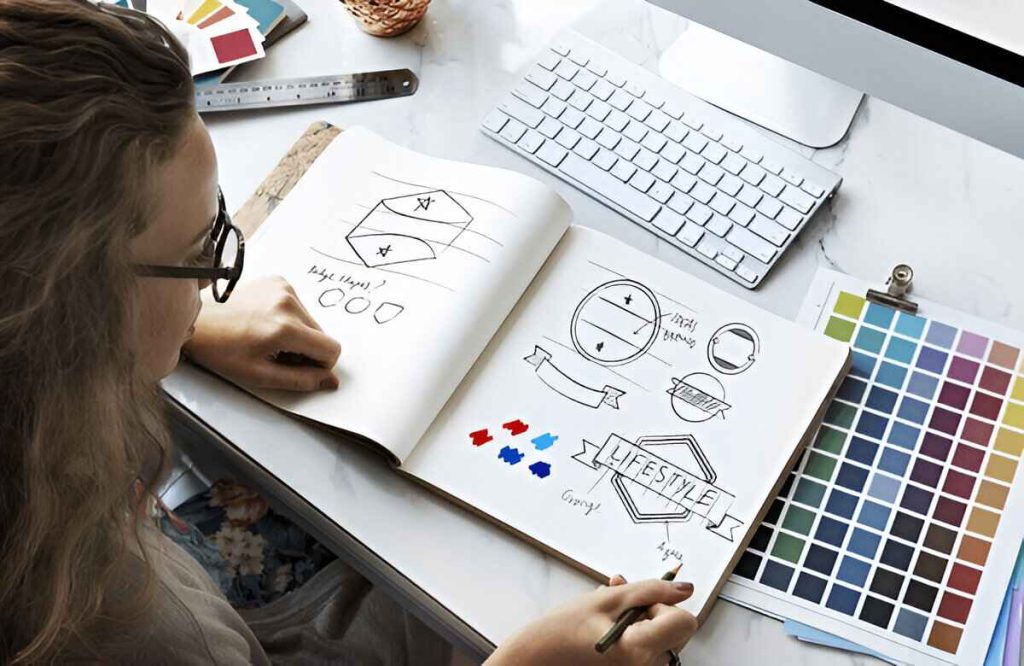
Color communicates faster than words. From a branding perspective, the psychology of color goes far beyond “red = passion.” It’s about subconscious triggers.
Here’s how color psychology branding works:
- Red: Increases heart rate, urgency, and excitement. Common in food, fast fashion, and clearance sales. It’s one of the most powerful marketing colors because of its association with passion and energy.
- Blue: Conveys trust, expertise, and tranquility. Much loved by brands in the finance, technology, and healthcare sectors.
- Yellow: Calls forth optimism and kindness. Good for drawing attention but also a warning sign.
- Green: Connotes growth, serenity, nature, and health. Seen everywhere in the organic product branding, wellness, and eco.
- Purple: Represents luxury, secrecy, and inventiveness. Observed on premium or spiritual labels.
- Black: Is elegant, strong, and daring. Used by high-end and minimalist companies alike.
- Orange: Melds the energy of red and happiness of yellow. Frequently used in e-commerce and impulse-driven companies.
The psychology of colors shows that we sense color, not only see it. Smart companies thus treat colour psychology for branding seriously—it has an impact on conversion rates, loyalty, and engagement.
Breaking Down Brand Colors: What Each Color Represents
Choosing the best color for your brand is not simply a matter of looks—rather, it’s a matter of how you wish people to feel when they see you. Every color has a message and generates certain emotions or connotations.
Let’s take a closer look at what the most common brand colors represent:
| Colors | Brand Colors Meaning |
|---|---|
| Red Color | Power, urgency, excitement, appetite |
| Blue Color | Trust, reliability, calm, logic |
| Green Color | Health, nature, tranquility, wealth |
| Yellow Color | Cheerfulness, youthfulness, clarity |
| Orange Color | Energy, creativity, enthusiasm |
| Purple Color | Luxury, imagination, introspection |
| Black Color | Sophistication, control, exclusivity |
| White Color | Simplicity, cleanliness, honesty |
This is the foundation of brand color psychology. Each shade—even the saturation and hue—can change perception. For example, light blue feels calm; navy blue feels authoritative.
In fact, using a color psychology chart or emotion color psychology chart can help align your visuals with business goals. Want to know what color makes people want to buy? It depends on your product category and audience, but red and orange are often used in colors in marketing for urgency and impulse.
LEARN MORE: POWER OF VERBAL BRANDING
Case Studies: How Big Brands Use Color to Influence Perception
How major brands harness the psychology of color to shape consumer perception.
These case studies reveal how color choices build trust, emotion, and identity.
1. Coca-Cola – The Power of Red
Coca-Cola’s vibrant red evokes energy, excitement, and sociability. It taps into power colors in business by creating urgency and warmth. Their consistent red branding has helped them remain one of the most recognized companies in the world.
2. Facebook – Blue for Trust
Facebook (now Meta) uses blue as a core part of their business colors to promote security and dependability. It’s no accident—many tech firms opt for blue due to its trust-enhancing impact in color psychology for business.
3. Green for Wellness from Whole Foods
Reflecting sustainability and health, Whole Foods’s brand is built on green colors. It’s a great illustration of how colors in psychology have a direct bearing on brand positioning.
4. Harley-Davidson – Black for Power
Harley-Davidson’s extensive use of black and orange mirrors dominance, strength, and aggressiveness. One well-known instance of applying color psychology in commerce to stir up identity and emotions.

Selecting the Right Colors for Your Brand: A Guide

Selecting colors for branding goes above mere preference. Below is a step-by-step procedure integrating psychology and color theory marketing:
1. Define Your Brand Personality
Are you modern or classic? Energetic or relaxed? Understanding this will guide your choice of branding colours.
2. Understand Your Audience
Younger audiences may respond better to bold, saturated tones. B2B or older demographics may prefer more subdued hues. Cultural differences also matter in color psychology for business.
3. Study Your Competitors
You want to stand out but stay in category expectations. Use a brand color psychology chart to explore competitor palettes and gaps.
4. Consider Where the Colors Will Appear
Will they look good on screens, packaging, ads, and print? Your color palette should be flexible across digital and physical platforms.
5. Use a Color Psychology Chart
Don’t guess. Use a color psychology branding guide to select shades that match your marketing intent.
6. Test and Validate
A/B test your palette in real-world campaigns to see what resonates. It’s part of aligning color with your elements of content and user behavior.
Common Mistakes When Choosing Brand Colors

Even with tools and charts, many businesses fall into the trap of poor color selection. Here’s what to avoid:
- Choosing Colors Based on Personal Preference: Your favorite color may not align with your target market’s needs or the psychology behind colors in marketing.
- Lack of Contrast or Accessibility: Brand colors must be readable across devices. Poor contrast can hurt UX, especially for visually impaired users.
- Ignoring Cultural Differences: Colors hold different meanings in different cultures. For example, white is purity in the West but mourning in some Eastern cultures.
- Too Many Colors: Using more than 2–3 primary branding colors can dilute recognition and create visual confusion.
- No Documentation: A brand style guide including your color palette is essential. Without it, consistency drops—and so does trust.
Conclusion
Color is visceral rather than only visual. The psychology of color and marketing demonstrates how colors influence people’s ideas, emotions, and actions toward a brand. The research is evident: selecting company colors that inspire trust to using marketing hues that generate urgency, color choices affect brand success.
Your brand’s color scheme speaks before your content does in the digital age when first impressions occasionally happen online. Knowing color psychology branding is essential whether you’re launching a business or rethinking a legacy brand—not optional.
Need help with defining your palette? SimplePlan Media’s branding experts use established color theory psychology to create memorable brand identities that promote development and emotion.
Frequently Asked Questions
-
What distinguishes color in branding?
Since it affects perception, behavior, and feeling. Correct hues boost conversion, trust, and recognition. That captures why color is so crucial for branding.
- How different are brand identity hues from typical colors?
- How does color psychology support marketing efforts?
- Which hue is best for promoting purchases?
- Tools for choosing brand colors exist?
- What is the role of color in brand recall?
- What are power colors in business?
Let’s get to know each other
Accelerate your business potential with our dedicated team.