Let’s get to know each other
Accelerate your business potential with our dedicated team.

How Hype Marketing Works
A Simple Breakdown
DECEMBER 03, 2025 5 MINUTES 05 SECONDS
MARKETING
Content
Fundamentally, hype marketing is the craft of generating want, uniqueness, and urgency. This approach tries to make customers feel like they would miss out if they didn’t act quickly. Selling a minute is as vital as marketing a commodity.
Think about sneaker drops, flash sales, or those mysterious tech behemoth teaser films. They don’t reveal much, but they make enough buzz to get people to line up or set alarms. It’s all hype. We want to connect with people’s feelings rather than simply list product details.
Because, let’s face it, what is marketing without hyperbole? Bland.
Key Takeaways- Hype marketing triggers urgency through FOMO, exclusivity, and anticipation.
- Mystery, scarcity, and influencer buzz power the most successful hype campaigns.
- Strong hype transforms regular products into cultural moments and movements.
- Mismanaged hype can backfire, causing backlash, disappointment, or short-term wins.
- Sustainable hype combines real value with storytelling, psychology, and smart strategy.
The Psychology Behind Hype
Hype marketing isn’t random—it’s wired into psychology. Here’s what happens under the hood:
1. Fear of Missing Out (FOMO)
People despise not being included. That is why countdown clocks, limited editions, and “Only 3 left!” banners really strike home.
- An illustration of a marketing approach is Black Friday doorbusters that cause individuals to overnight camp.
2. Social Proof
If everyone’s chasing it, it must be worth having. That’s why influencer marketing campaigns work so well—especially when the product sells out in hours.
LEARN MORE: Social Media Marketing Strategy
3. Belonging
Buying into hype often feels like joining a movement. The best advertising campaigns don’t just sell products—they sell identity. Apple doesn’t just sell gadgets; it sells creativity and coolness.
4. Dopamine Hits
Here’s the kicker: anticipation itself is addictive. Teasers, leaks, and cryptic ads create a reward loop.
Fun fact: Studies in marketing and advertising show anticipation can spike dopamine even higher than the actual purchase.
Strategies of Hype Marketing

So how do brands actually build hype? They use a mix of promotional strategies and clever marketing activities. Let’s break it down:
1. Scarcity Marketing
Drop limited quantities to drive urgency.
- Marketing campaign example: Supreme’s “drops” sell out in seconds, making each release a cultural event.
LEARN MORE: Best Marketing Campaigns
2. Exclusivity
Make customers feel like insiders. Think VIP lists, early access, or “members-only” promos. Exclusivity turns customers into advocates.
3. Influencer Marketing Examples
Companies who use micro influencers frequently produce more real buzz than those who rely on celebrity endorsements. Why? Micro influencers initiate interactions rather than simply likes. Their followers genuinely believe in them, so they lend legitimacy.
4. Creative Storytelling
The best advertisements entertain as much as they inform.
- Cool marketing campaign: Liquid Death’s “Murder Your Thirst” flipped the script on bottled water, making it edgy, dark, and shareable.
5. Social Media Teasers
Mystery is strong. Online discussion is driven by obscure posts, counts, and leaks. From Netflix trailers to iPhone launches, teasers generate loops of excitement.
- The recipe is straightforward: Mystery + Scarcity + Social Proof = Hype.
Which of these approaches would you include in your following marketing strategy? Pick one, experiment with it, then build on what succeeds.

The Risks and Downsides of Hype Marketing
Here’s the unsexy part: hype can backfire. Let’s break down the risks of marketing campaigns built purely on buzz:
1. Customer Backlash
If people feel scammed, hype flips into anger.
Example: Kickstarter projects that overpromise and underdeliver.
2. Short-Term Gains
Though sales can be increased by buzz, it hardly ever guarantees loyalty. Without retargeting campaigns, customers disappear almost as rapidly as they came.
3. Exclusivity Fatigue
If anything is “limited,” nothing seems unique anymore. Audiences pick up on trends very fast.
4. Operational Nightmares
Hype is only as strong as your logistics. Selling out too fast without backup planning leads to bad reviews and lost trust.
- Famous marketing campaign fail: The Fyre Festival. Great ads, terrible execution. It’s now a cautionary tale in hype gone wrong.
Case Studies: Hype Wins & Fails
1. Lalubu
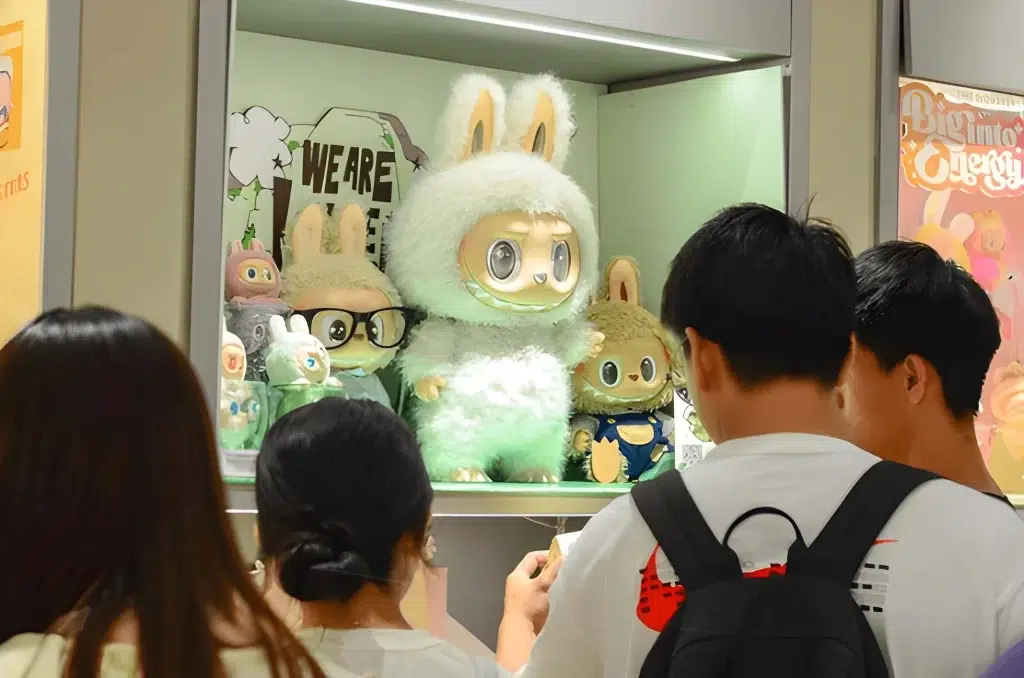
Lalubu turned simple baby wraps into a cultural event using exclusivity and community-driven marketing campaigns. Their influencer marketing examples on Instagram—targeting parents—helped them build not just hype, but trust.
Lesson: Hype doesn’t always mean loud. Sometimes slow-burn credibility + micro influencer partnerships = sustainable hype.
2. Liquid Death
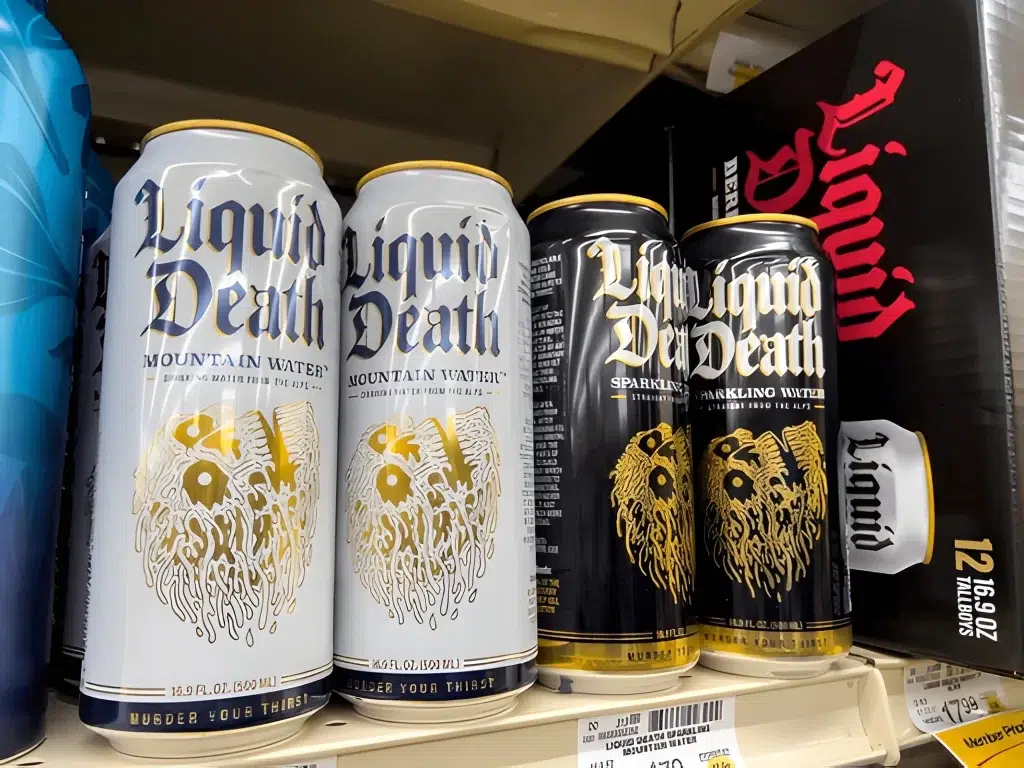
A company that transformed canned water into cool stuff. Their absurd commercials, which combined marketing with humorous sketches, helped them become a cult classic.
Lesson: Go fearless when everyone else goes safe.
3. Stanley Cups
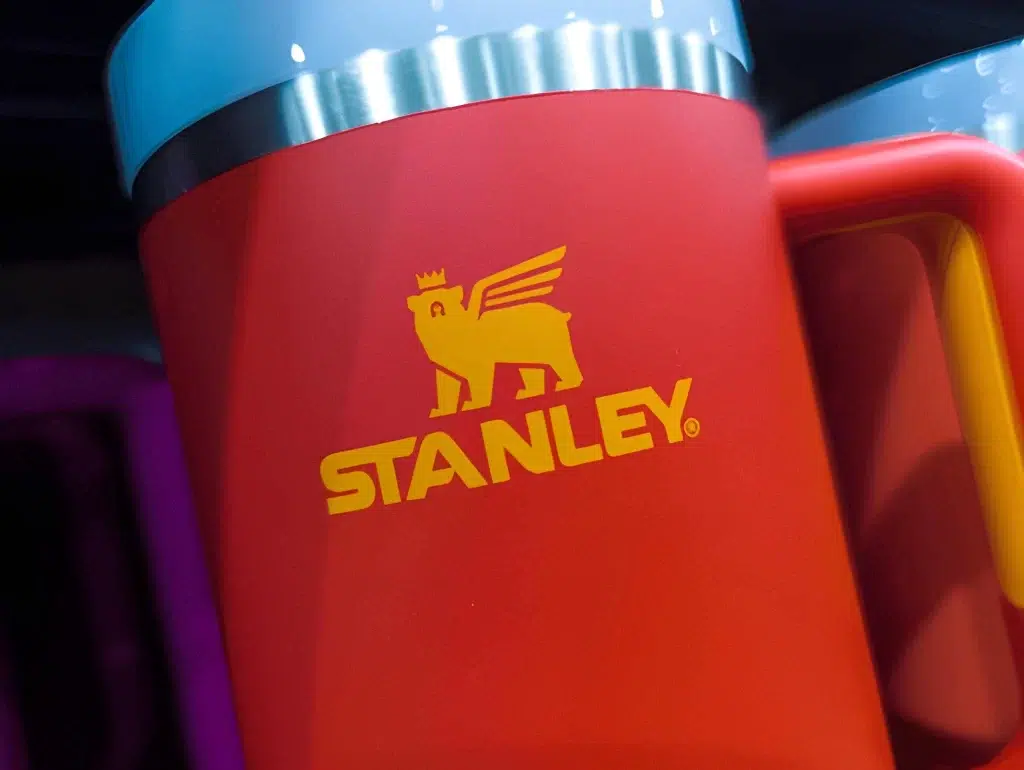
From outdoor gear to TikTok must-haves, Stanley’s cups became emblems of position. Viral obsession results from few colours plus influencer marketing efforts.
Lesson: Hype transforms a really useful product into a movement.
4. Nike Sneaker Drops
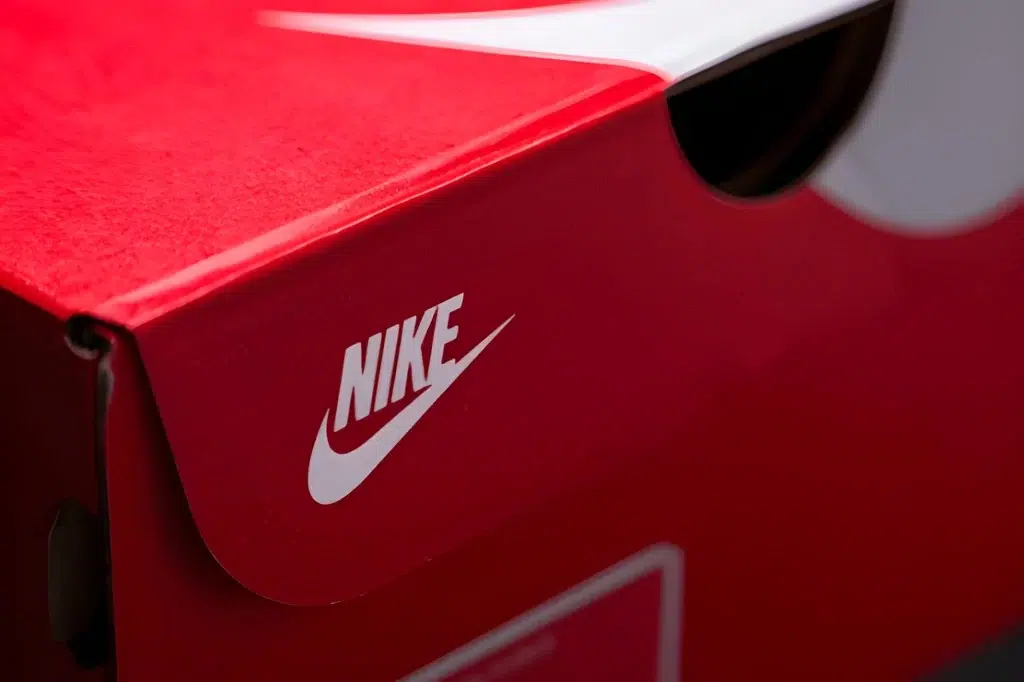
Nike built hype into their DNA. Collaborations, storytelling, and scarcity fuel lines around the block.
Lesson: Don’t just run hype campaigns—make hype part of your long-term business model.
5. The Fyre Festival (Flop)
Mystery is strong. Online discussion is driven by obscure posts, counts, and leaks. From Netflix trailers to iPhone launches, teasers generate loops of excitement.
The recipe is straightforward: Mystery + Scarcity + Social Proof = Hype.
Conclusion
Hype marketing is both art and science. When done right, it grabs psychology, fosters emotional bonds, and transforms ordinary goods into cultural symbols. But it is a double-edged weapon as well.
The puzzle: Use hype as a starting point, not the fire. Mix exclusivity, marketing campaigns using influencers, and narrative with a commodity of real worth. This is the process through which buzz transforms into lifetime brand loyalty.
Wish to generate buzz without jeopardizing trust? Redesign your marketing plan with honesty first, then include buzz to amplify the story.
Frequently Asked Questions
-
What is hype marketing in simple terms?
Hype marketing is a promotional strategy that creates urgency, excitement, and exclusivity to boost demand quickly.
- What is a recent marketing campaign that used hype well?
- What are the risks of hype marketing?
- How do you make a marketing plan that includes hype?
- How to find influencers for your brand for hype campaigns?
- What is strategic marketing in this context?
- What are some cool marketing campaigns to learn from?
Let’s get to know each other
Accelerate your business potential with our dedicated team.