Let’s get to know each other
Accelerate your business potential with our dedicated team.
Packaging That Pops
First Impressions Matter
DECEMBER 02, 2025 5 MINUTES 54 SECONDS
MARKETING
Content
They say don’t judge a book by its cover—but let’s be honest, everyone does. The same is true for products. Before someone even touches your product, they’ve already made a judgment based on your packaging design. It’s the silent salesperson sitting on the shelf (or the unboxing experience waiting at the doorstep).
In a world where customers scroll, swipe, and shop at lightning speed, your package design could be the reason they stop—or skip.
This blog breaks down how product packaging design shapes first impressions, builds brand trust, and even turns boxes and bottles into powerful marketing tools.
Key Takeaways- Strong packaging grabs attention instantly and influences customer choices.
- Colors, fonts, and textures guide perception and create emotional impact.
- Packaging reflects your brand identity and communicates core values.
- Custom packaging enhances unboxing, while stock packaging saves time and cost.
- Creative packaging doubles as marketing, boosting engagement and brand recall.
Why Packaging Design Matters?
The game has been altered by e-commerce. Before making a purchase, customers no longer speak with sales representatives. Rather, they depend on images, reviews, and packaging. Effective packaging design involves more than just wrapping; it also involves branding, evoking feelings, and telling a story.
Consider the elegant white boxes of Apple. You purchase an experience rather than merely a phone. Or the recognisable red cans of Coca-Cola. The colour itself is brilliant branding.
Important factors that make packaging design important today:
- In crowded marketplaces, it draws attention.
- It fosters trust (cheap product = flimsy packaging).
- It makes unpacking more enjoyable (and feeds Instagram stories).
- It conveys ideals like luxury or sustainability.
The Psychology Behind First Impressions
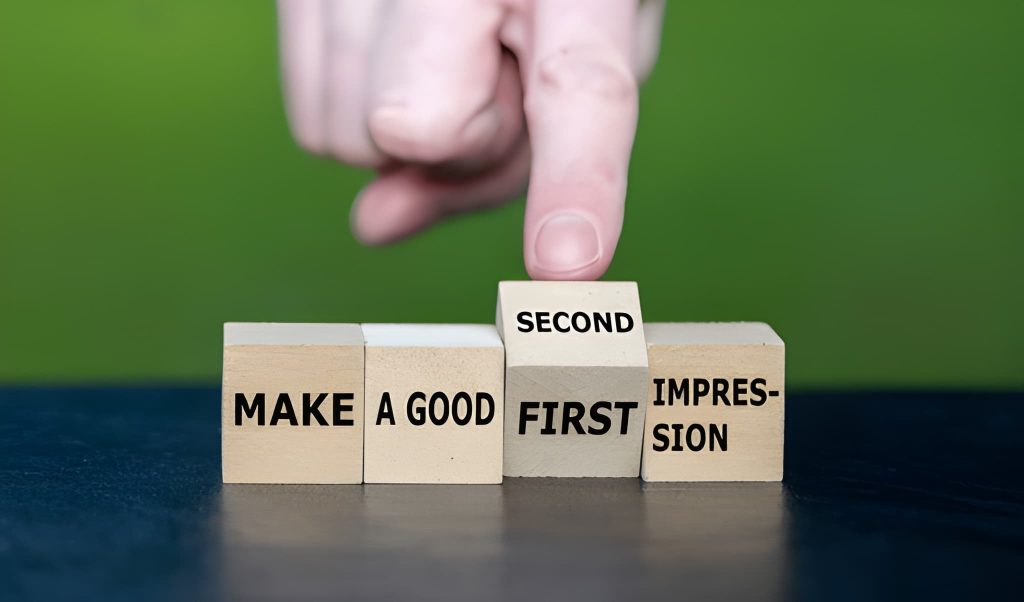
Packaging affects your subconscious more quickly than you may realise. Before you even realise you’re looking at something, your brain interprets those visual cues and forms emotional conclusions.
- Colours: Black conveys premium, green implies natural or healthful, and red creates urgency.
- Typography: Sans serif appears crisp and contemporary, serif fonts are dependable and well-established, and script can convey luxury or playfulness.
- Surface treatments: Glossy surfaces attract light and draw attention, while matte finishes convey quality and restraint.
That 70% shelf-decision statistic highlights how crucial packaging is. Most people aren’t doing extensive research—they’re making quick visual assessments based on what feels right in the moment.
However, packaging psychology only functions when the visual promise and the real product match. When a low-cost product has opulent packaging, it leads to disappointment. Customers will quickly feel duped if the visual language doesn’t accurately convey what’s inside.
Brand Identity in Packaging
Your packaging is more than just wrapping paper; it’s a showcase for your brand. Your brand values should be whispered (or shouted) on every label, font, and fold.
- Sustainability is immediately communicated by a skincare company that uses eco-friendly custom packaging.
- A high-end perfume bottle with simple text conveys exclusivity.
- A children’s cereal box with vibrant colours and mascots conveys excitement and vitality.
For instance, Tiffany’s blue box is so effective that it doesn’t even require a logo. That is the power of well-designed brand packaging.
LEARN MORE: Brand vs Branding vs Brand Identity
Keys to Eye-Catching Packaging
What distinguishes packaging in a crowded market? The difference is in the details.
- Psychology of colour: Select hues that evoke the feelings you desire.
- Fonts: Keep personality and readability in balance because fonts speak louder than words.
- Visuals and imagery: Images, drawings, or designs that create the ideal atmosphere.
- Form and organisation: Distinctive packaging designs cut through visual clutter.
- Uniformity: Maintain uniformity in your branding and packaging for every product.
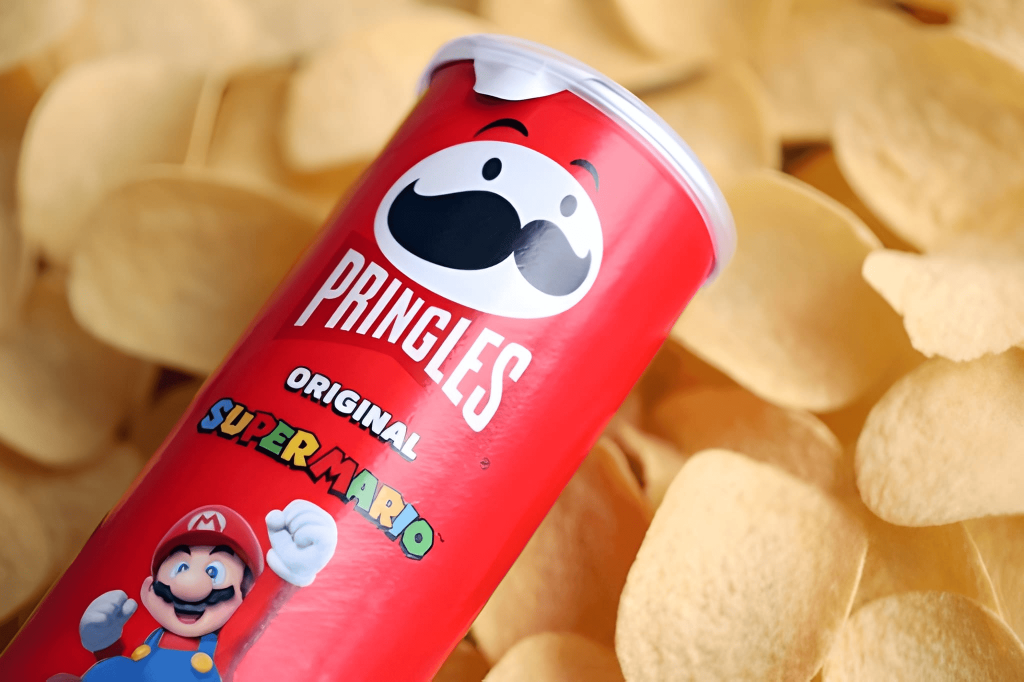
For instance, Pringles is excellent at this. You wouldn’t mistake the tube for anything else on the shelf because it is instantly recognisable and functional.
Making quick decisions for customers is essential. Your packaging should convey quality, purpose, and brand identity to a customer without them having to think about it while they are swiftly perusing a shelf.

Custom vs. Stock Packaging
Should you use stock packaging or go custom? This is the age-old question.
Personalised packaging
Advantages: Enhances unboxing, distinctive, branded, and memorable.
Cons: More expensive and time-consuming production.
Stock packaging
Advantages: Quick, flexible, and reasonably priced.
Cons: Less uniqueness and the possibility of becoming just like rivals.
As a general rule, investing in custom product packaging is worthwhile if you’re creating a long-term brand. Stock packaging is effective when testing or bootstrapping.
Packaging as a Marketing Tool
Here’s the thing—packaging isn’t just a box; it’s a billboard. Packaging as a marketing tool works on multiple levels:
- Attracting attention on shelves or search results.
- Reinforcing your brand message (eco-friendly, luxurious, fun, minimal).
- Encouraging sharing on social media—hello, free marketing.
- Driving repeat business by making customers feel valued through design.
For instance, Glossier’s pink pouches became Instagram-worthy packaging that consumers used again and displayed on the internet.
Tips for Standout Packaging
Okay, so this is the useful toolkit:
- Don’t overcrowd with text; keep it simple.
- Employ striking images—whether they are loud or minimalist, just be deliberate.
- Tell a tale and include a succinct tagline or mission statement that ties everything together.
- Consider tactile: Matte, textured, or embossed finishes improve perception.
- Sustainability triumphs because eco-friendly packaging is not only in style but also expected.
Example: Lush’s packaging-free “naked” products stand out by going the opposite route—no packaging at all. Bold move.

Conclusion
Packaging is more than just packaging; it’s your silent marketing tool, your brand ambassador, and your first impression. Emotional impact, signal quality, and even social sharing can all be enhanced by well-designed content. Before anyone even tries your product, your decisions—from colour psychology to unique packaging—tell a story.
In addition to making it look good, spend money on creative packaging design to draw in, win over, and keep consumers.
Are you prepared to leave a lasting impression with your packaging? Get in touch with SimplePlan Media right now; we create packages that perform, convince, and pop.
Frequently Asked Questions
-
What makes a packaging design successful?
A successful product packaging design grabs attention, reflects brand identity, and communicates value instantly. It should balance aesthetics with function.
- Is custom packaging worth it for small businesses?
- How does packaging affect marketing?
- What are common mistakes in packaging design?
- How do I choose between custom and stock packaging?
Let’s get to know each other
Accelerate your business potential with our dedicated team.